First Published: Sept 2024
Updated: April 2026
Dental visits can feel stressful for a range of reasons — fear of pain, a strong gag reflex, past experiences, or simply feeling overwhelmed in the chair.
If you’re exploring different types of dental sedation in Brisbane, the good news is that there are several options available to help make treatment more manageable.
This guide explains the main types of sedation, what each one feels like, and how to think about which option may be right for you.
You can also learn more here about sedation dentistry in Brisbane and how these options are used in practice.
What is dental sedation?
Dental sedation uses medication to help you feel calmer and more relaxed during treatment.
Depending on the type used, sedation can:
- reduce anxiety
- make time feel like it passes faster
- help you feel more comfortable during longer appointments
Sedation exists on a spectrum — from very light relaxation through to deeper levels of conscious sedation. The right option depends on your situation.
When is sedation worth considering?
Sedation may be helpful if you:
- feel anxious about dental treatment
- have a strong gag reflex
- need longer or more complex procedures
- want a more relaxed experience
It’s not one-size-fits-all — your medical history, medications, and treatment plan all play a role.
Types of dental sedation Brisbane: your options

Nitrous oxide (laughing gas)
This is the lightest form of sedation and is delivered through a small mask over your nose.
What it feels like
- Calm and relaxed
- Still fully awake
- Aware of what’s happening
Benefits
- Fast onset
- Wears off quickly
- Often suitable for mild anxiety
Considerations
- You need to breathe through your nose
- Not ideal if you feel claustrophobic with a mask
Oral sedation
This involves taking medication before your appointment to help reduce anxiety.
What it feels like
- Drowsy and relaxed
- Less “on edge”
- Still conscious and able to respond
Benefits
- No equipment during the appointment
- Can help patients who struggle to get started
Considerations
- Effects vary between patients
- Cannot be adjusted once taken
- Requires someone to take you home

IV (twilight) sedation
IV sedation is a deeper form of conscious sedation delivered through a small cannula.
Many people refer to this as “sleep dentistry”, although you are not fully unconscious.
In Brisbane, IV sedation is often the preferred option for patients who want a higher level of relaxation during dental treatment.
What it feels like
- Deep relaxation
- Less awareness of the procedure
- Time passing quickly
- Often limited memory of the appointment
Benefits
- Adjustable during treatment
- Helpful for higher anxiety
- Suitable for longer or more complex procedures
Considerations
- Requires monitoring
- Requires an escort home
- Not suitable for everyone
If you’re considering this option, you can read a detailed guide on what happens during IV sedation here.

How do you choose the right option?
The best option depends on:
- your anxiety level
- the type and length of treatment
- your medical history
- practical factors (time off work, escort requirements)
A realistic perspective
Not everyone needs sedation.
Some patients do well with reassurance, pacing, and a supportive environment. Others benefit significantly from sedation, especially if anxiety has been a barrier to getting treatment done.
You can explore all available sedation options in Brisbane here.
What’s the next step?
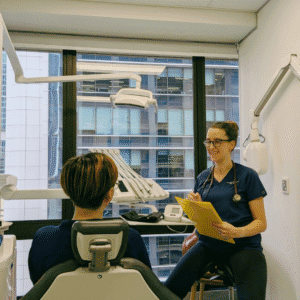
The next step is a consultation, where we can:
- understand your concerns
- assess your dental needs
- explain what each option means in your situation
- plan treatment in a way that feels realistic
Not sure which sedation option is right for you?
Choosing the right type of dental sedation depends on your treatment, your level of anxiety, and your overall health.
The next step is a consultation, where we can:
- understand your concerns
- assess your dental needs
- explain which options are suitable for you
- plan treatment in a way that feels manageable
There’s no pressure to proceed — just clear, personalised advice so you can make an informed decision.
👉 Book a consultation online
👉 Or call our team on (07) 3211 1155