First published: August 2024
Last updated: April 2026
Intro
If you’ve lost a tooth—or you’re facing the possibility—you’re not alone. Tooth loss is common, but deciding how to replace it isn’t always straightforward.
Dental implants are often described as the most advanced option for replacing missing teeth. For many patients, they offer a long-term, natural-feeling solution.
But they are also a medical procedure with important considerations. This guide is designed to give you a clear, realistic understanding of what dental implants involve, who they suit, and how to decide if they’re right for you.
Considering dental implants? Our Brisbane CBD clinic provides complete implant treatment, from assessment through to final restoration. Learn more about dental implants in Brisbane CBD.
What are dental implants?
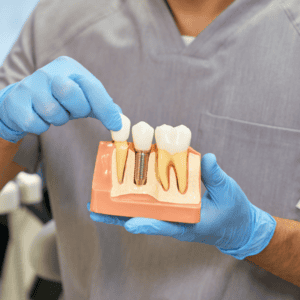
Dental implants are small titanium posts placed into the jawbone to replace the root of a missing tooth. Over time, the implant integrates with the bone, allowing it to support a crown, bridge, or denture.
The result is a replacement that is stable, functional, and designed to blend with your natural teeth.
Why patients consider dental implants
Patients often choose implants because they:
- Feel secure when eating and speaking
- Look natural and integrate with existing teeth
- Don’t rely on neighbouring teeth for support
- Help maintain bone and facial structure over time
For many people, the biggest benefit is confidence—being able to eat, speak, and smile without thinking about it.
Are dental implants right for everyone?
Not always.
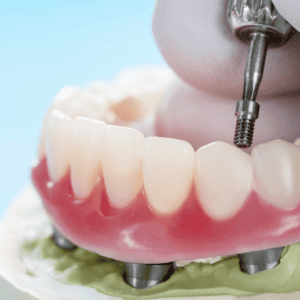
Suitability depends on more than just the missing tooth. Factors include:
- Bone quality and volume
- Gum health
- General health and medications
- Smoking status and lifestyle habits
A proper assessment is essential.
👉 Read our other blog: Am I a candidate for dental implants
What are the alternatives?
Dental implants are one option, but not the only one.
Depending on your situation, alternatives may include:
- Dental bridges
- Dentures
Each option has different advantages and limitations.
What does the process involve?
Implant treatment is typically completed in stages:
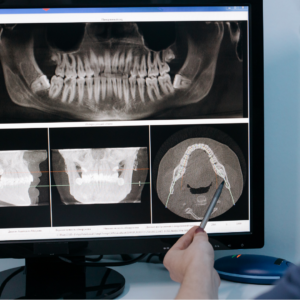
- Consultation and planning
Clinical exam, imaging, and treatment planning - Implant placement
The implant is placed into the jawbone - Healing period
The implant integrates with the bone over several months - Final restoration
A crown, bridge, or denture is placed
While this may sound involved, most patients find the process manageable and well-structured. Our friendly team help coordinate all the appointments required.

What about recovery?
Most patients return to normal daily activities within a few days after implant placement.
Some swelling or discomfort is expected initially, but it is usually mild and manageable.
How long do implants last?
With proper care, the implant itself can last for many years—often decades.
However:
- Crowns may need replacement over time
- Long-term success depends on good oral hygiene and regular review
Implants are durable, but not maintenance-free.

What about cost?
Dental implants generally involve a higher upfront cost than other options.
However, they are designed as a long-term solution, which can make them more cost-effective over time compared to treatments that require replacement.
Speak to our team about payment options.
You can find out more on our main implant page.
A realistic perspective
Dental implants are an excellent option for many patients—but they are not always the right choice.
The goal is not to push one treatment, but to help you understand your options clearly so you can make a decision that suits your health, priorities, and lifestyle.
What’s the next step?
The next step is a consultation, where we assess your suitability, discuss your options, and create a plan tailored to you.
If you’re considering dental implants in Brisbane CBD, we can guide you through the process in a clear and straightforward way.
👉 Call us on 0732111155 to speak to our friendly team
👉 Book your implant consultation online here
Disclaimer
All surgical procedures carry risks. We recommend seeking a second opinion from a qualified health practitioner before proceeding with invasive dental treatments.