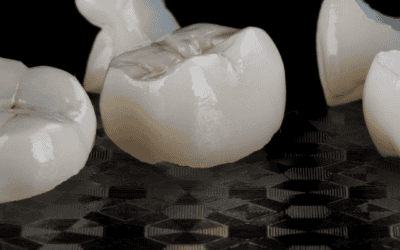
If grinding is wearing down or cracking your teeth, a custom night splint is usually the first thing we recommend. It’s simple, well-proven, and doesn’t involve anything invasive — but it’s worth knowing what’s actually involved before you commit to one.
What it is
A custom night splint — sometimes called an occlusal splint or night guard — is a hard, custom-fitted device worn while you sleep. It sits between your upper and lower teeth so the force of grinding is absorbed by the splint instead of your enamel, fillings, and crowns.

Custom-made 3D printed nylon mouthguard for tooth grinding
Custom vs chemist-bought
A splint fitted to your own bite stays comfortable through the night and is built to handle the forces you actually generate. A generic mouthguard is built to an average shape rather than your mouth — it’s often uncomfortable enough that people give up wearing it, and in some cases can encourage more clenching rather than less. If you’re going to wear something every night, it’s worth it being made for you.

Custom-made hard acrylic splints for tooth grinding
What the process actually involves
- A digital scan of your teeth
- Lab fabrication — your splint is custom-made from that scan by one of our local labs.
- A fitting appointment to check comfort and fit, with small adjustments made on the spot if needed. You’ll also be given wear and care instructions.
- Review appointment – sometimes booked if required.
There’s no downtime and nothing uncomfortable about the process itself. Most of the “getting used to it” happens in the first week or two of actually wearing it at night.

What it does — and doesn’t — do
A splint protects your teeth from the physical damage of grinding. It doesn’t stop the grinding habit itself, and it won’t do much for jaw muscle tension if that’s your main issue rather than tooth wear. For patients whose problem is more about jaw pain and tension headaches, a splint is often paired with other options — read about managing TMD symptoms day-to-day or [Botox for TMD] for the muscle side of things.
Caring for your splint
Rinse it after use, brush it gently with a soft brush (regular toothpaste can be abrasive on the material), and keep it in its case when it’s not in your mouth. Bring it along to your regular check-ups so we can confirm it’s still fitting well — bites shift slightly over time, and a splint that no longer fits properly isn’t doing its job.

How long does one last?
With reasonable care, a hard custom splint typically lasts a few years before it needs replacing, though heavier grinders may wear through one faster. We’ll check it at your regular visits and let you know when it’s time for a new one.
What it costs
Cost varies depending on the type of splint and whether it’s part of a broader treatment plan. You will be given a full quote before proceeding with any treatment.
Is a night splint right for you?
If you’re waking up with a sore jaw, noticing new wear or chips, or we’ve flagged signs of grinding at a check-up, a custom splint is worth discussing. Book a consultation with our Brisbane CBD dentist to find out if it’s the right option for you.