We get asked this question often: composite bonding or veneers — which one do I actually need?
It’s a fair question, because both can fix chips, close small gaps, and even out a smile. But they’re not interchangeable, and the right choice depends on your teeth, your timeline and your budget — not just which one looks nicer in a before-and-after photo.
As a cosmetic dentistry practice in Brisbane CBD, this is one of the most common conversations we have with patients considering a smile refresh. Here’s how we think it through.

What composite bonding actually involves
Composite bonding uses a tooth-coloured resin, applied directly to your tooth and shaped by hand in the chair. There’s no lab work involved, which means:
- It’s often done in a single visit.
- Very little (sometimes none) of your natural tooth needs to be removed.
- It’s reversible — if you change your mind later, it can be removed without permanently altering the tooth underneath.
The trade-off is durability. Composite bonding typically lasts 3–7 years before it needs a touch-up or replacement, and it can pick up staining over time — particularly if you’re a regular coffee, tea or red wine drinker.

Tooth whitening and composite bonding
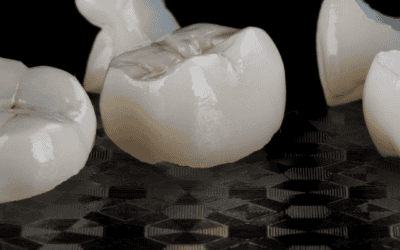
What porcelain veneers actually involve
Veneers are a thin layer of porcelain, custom-made in a lab and bonded to the front of your tooth. They take more planning:
- Usually 2–3 appointments over a couple of weeks.
- A small amount of enamel is removed to make room for the porcelain — this step is irreversible, which is why a thorough assessment beforehand matters.
- With good care, they typically last 10–15 years, sometimes longer.
Veneers are more resistant to staining and hold their finish better over time than composite bonding. That durability is exactly why they cost more.

Natural looking porcelain veneers
So which one is right for you?
Neither is automatically the “better” option — it genuinely depends on the situation:
Composite bonding tends to suit smaller fixes: a single chipped tooth, a bit of unevenness, closing a small gap, or a lower-cost way to trial a change before committing to something more permanent.
Veneers tend to suit more comprehensive changes — several teeth at once, a more dramatic shape or shade change, or when durability matters more than upfront cost.
We’ll also usually check whether whitening should come first. If you’re planning veneers or bonding on your front teeth, whitening beforehand means we can match the new work to your best shade — rather than matching to a baseline you’ll want to change later.

What we won’t do
We won’t recommend veneers when bonding would genuinely serve you better, and we won’t talk you into a treatment plan built around what looks impressive rather than what your teeth actually need. If there’s a more conservative option that gets you the result you’re after, we’ll tell you.
Ready to find out which one suits you?
The only way to know for sure is a cosmetic consultation, where we’ll look at your teeth, talk through what you’re hoping to change, and give you an honest recommendation — including realistic numbers on cost and how long each option should last.
Book a cosmetic consultation with our Brisbane CBD dentists today, or have a look at our Cosmetic Dentistry page for more on the options available.