First published: July 2020
Updated: Sept 2026
Most people think of grinding as a jaw problem. But your teeth take the brunt of it. The forces involved in clenching and grinding are far greater than normal chewing, and they’re often happening for hours every night without you knowing.
The good news is that the damage builds slowly, so it can usually be picked up early at a check-up and protected against.
What is bruxism?
Bruxism is the medical term for clenching or grinding your teeth. It most often happens while you’re asleep (sleep bruxism), but it can happen during the day too, often when you’re concentrating or stressed.
If you’re not sure whether you grind, here are 5 signs you’re grinding your teeth (even if you don’t know it).

What grinding does to your teeth
Wear
Enamel is the hardest substance in your body, but it isn’t designed to rub against itself for hours at a time. Over time, grinding flattens the biting edges of your teeth. Front teeth can start to look shorter or uneven, and back teeth lose their natural grooves. Once enamel is worn away, it doesn’t grow back.
Sensitivity
As enamel wears thinner, the softer layer underneath (called dentine) gets closer to the surface. Dentine has tiny channels that lead towards the nerve, so worn teeth often feel sensitive to cold, hot or sweet things, sometimes across the whole mouth rather than just one tooth.

Crack lines and cracked teeth
Repeated pressure can create fine crack lines in the enamel. Many of these stay harmless, but some can deepen over time. A cracked tooth is a bit like a crack in your windscreen: it may stay stable for years, or it may spread, and it’s hard to predict when or in which direction. If a crack reaches the nerve, the tooth may need a root canal treatment, or occasionally it can’t be saved.
This is why we keep an eye on crack lines at your check-ups. Picking them up early gives you more options. Read more about why teeth crack.

Chipped teeth and broken fillings
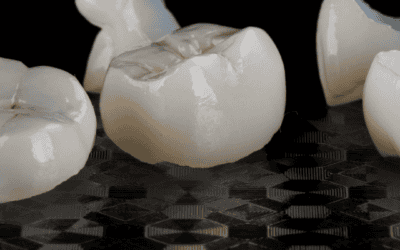
Heavy grinding forces can chip the edges of teeth, and fillings, crowns and veneers are vulnerable too. If you’ve had a filling break more than once, or chips keep appearing, grinding is often part of the reason.
Loose or tender teeth
Constant pressure can strain the supporting structures around the teeth, so some people notice their teeth feel tender or slightly loose, especially in the morning.
Why protecting your teeth matters
Wear and cracks are much easier to manage before they cause pain or need bigger treatment. Repairing worn or broken teeth can involve fillings, crowns or onlays, and if grinding continues unprotected, that work is at risk too.

How we protect your teeth
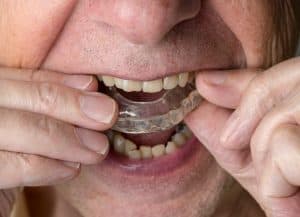
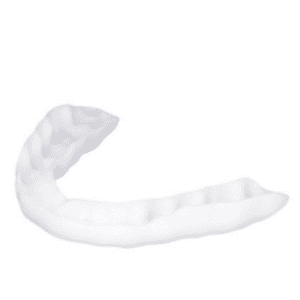
We can’t stop you from grinding. What we can do is take the load off your teeth. A custom hard splint (a night guard worn while you sleep) sits between your upper and lower teeth, so the splint takes the wear instead of your enamel and dental work.
We use hard acrylic splints, custom-made from a scan of your teeth, because they’re durable and hold their shape well. Here’s what to expect from a custom night splint.
When grinding is more than a teeth problem
Grinding can also cause jaw pain, headaches and earache, and night-time grinding can be linked to sleep disorders such as obstructive sleep apnoea.
If jaw pain or headaches are part of the picture, see how we approach TMD and jaw pain treatment.
Worried about wear or cracks?
If your teeth are looking shorter, feeling sensitive, or you’ve had chips or broken fillings, it’s worth having them checked. Book an appointment with our Brisbane CBD dentists.