Tooth Grinding (Bruxism): Signs, Damage & What to Do
If you wake up with a tight jaw, morning headaches, or you’ve noticed your teeth are chipping more than they used to, tooth grinding could be part of the picture.
Tooth grinding (also called bruxism) is involuntary clenching or grinding of the teeth. It can happen during sleep (sleep bruxism) or while you’re awake (awake bruxism) — often during concentration, stress, driving, or screen time.
At Dentistry on George (Brisbane CBD) we’re seeing plenty of patients with signs of grinding, and many of them had no idea they were doing it. Here are the key things to know — and what to do next.

1) You can grind your teeth and not know it
A lot of people only find out because:
-
A partner hears grinding at night
-
A dentist spots wear or cracks
-
They start getting symptoms (jaw pain, headaches, sensitivity)
Awake clenching is especially sneaky — it can be a “set jaw” habit you don’t notice until someone points it out.
2) Dentists can usually spot it early
During an exam, we look for patterns that suggest bruxism, like:
-
Flattened or worn biting surfaces
-
Small chips or fractures (especially on front teeth and edges)
-
Cracks in enamel or existing fillings
-
Gum recession paired with heavy bite forces
-
Tender or enlarged jaw muscles (overworked masseters/temporalis)
-
Scalloped tongue edges or cheek “bite lines”
Catching it early matters because the longer it goes on, the more likely you’ll end up with broken fillings, cracked teeth, or persistent jaw symptoms.

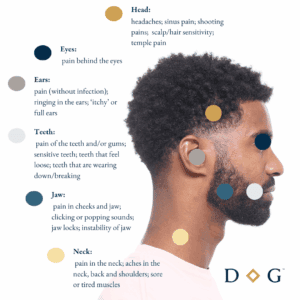
3) Bruxism can mimic other problems
Common symptoms can include:
-
Toothache without an obvious cavity
-
Sensitive teeth
-
Morning headaches (often temple-area)
-
Neck/shoulder tightness
-
Earache or “blocked ear” feeling (with normal ear exams)
-
Jaw clicking, stiffness, or limited opening
If you’re repeatedly told your ears are “fine” but the discomfort persists, it’s worth checking whether the jaw joint and chewing muscles are the source.
4) Grinding can do real damage (and it adds up)
Your jaw can generate a surprising amount of force — and grinding can apply that force repeatedly for long periods, often without the normal “feedback” you have when awake.
Over time, we commonly see:
-
Cracked teeth (sometimes leading to root canal treatment or extraction)
-
Broken fillings/crowns/veneers
-
Shorter-looking teeth from wear
-
Loose teeth in advanced cases
-
Jaw joint and muscle pain from overload
-
More complex dentistry later because restorations keep failing under heavy forces
If you’ve had multiple chips or fractures, it’s usually not “bad luck” — it’s often a force problem.

5) Causes are usually multi-factorial
There isn’t one single cause for everyone. Common contributors include:
-
Stress/anxiety and high mental load
-
Sleep disruption (including snoring and possible obstructive sleep apnoea)
-
Certain medications (ask your GP/pharmacist if you suspect a link)
-
Caffeine/alcohol late in the day (for some people)
-
Bite changes or dental work that coincides with symptom flare-ups (not always the cause, but sometimes a trigger)
-
Habitual daytime clenching (often posture/screen-related)
A quick note on snoring/sleep apnoea
If we suspect a sleep-related breathing issue based on your history (snoring, gasping, daytime fatigue), we may suggest medical assessment. Sleep apnoea is a health issue well beyond teeth — and it’s worth taking seriously. However, we can also help with obstructive sleep apnoea by proving a mouthguard to not only protect the teeth, but to open the airway.

Treatment: what actually helps?
1) Protect the teeth with a custom night guard (splint)
We can’t always “stop” the brain from initiating bruxism, but we can reduce damage.
A properly fitted hard night guard (splint) can:
-
Protect teeth and dental work from wear/chipping
-
Reduce overload on the jaw system for many patients
-
Make symptoms more manageable
The key is custom fit and correct design — a cheap boil-and-bite guard can be bulky, uncomfortable, and sometimes makes clenching worse for some people.

Custom-made mouthguard for tooth grinding
2) Address the muscles and habits (especially daytime clenching)
If you clench during the day, this is one of the highest-return fixes because you can actually change it.
We often recommend:
-
Jaw relaxation awareness (“lips together, teeth apart”)
-
Short “reset” breaks during screens/driving
-
Gentle jaw stretches (guided by a clinician)
-
Seeing a physiotherapist with jaw/TMJ experience when indicated
Many patients do best with both: splint protection + muscle/habit support.
3) Fix the consequences
If grinding has already caused cracks, broken fillings, or worn teeth, you may need repairs — and those repairs last longer when the force issue is controlled.
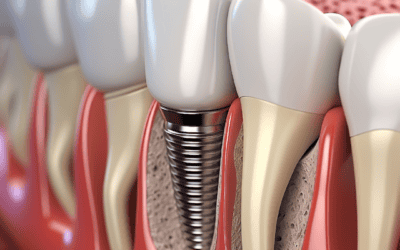
This treatment may include treatments like crowns and/or veneers or general dentistry such as fillings. In severe cases, where teeth have cracked beyond saving, they may require removal and replacement with something like a dental implant.

What you can do at home
If you’re sore or tight:
-
Use warmth on the jaw muscles (heat pack 10–15 min)
-
Stick to softer foods for a few days if chewing hurts
-
Avoid gum, chewy lollies, crusty rolls, and big burgers (wide opening + heavy chewing)
-
If appropriate for you medically, anti-inflammatories can help short-term (check with your GP/pharmacist)
-
Watch caffeine/alcohol timing if you notice a clear pattern
-
Try a wind-down routine before bed (not because it “cures” bruxism, but because poor sleep and stress often worsen it)
When to book in
Book an appointment if you have any of these:
-
Morning jaw pain, headaches, or tooth sensitivity
-
Chipping/breaking fillings or teeth
-
Visible tooth wear or “shortening”
-
Clicking/jaw locking or limited opening
-
A partner hears grinding at night
-
Snoring + fatigue + tooth grinding
At your visit we’ll assess your teeth, restorations, jaw joints and muscles, look for wear/cracks, and talk through likely triggers and next steps — including whether a custom splint is appropriate.
If you suspect you’re grinding your teeth, book a check-up at Dentistry on George (Brisbane CBD). Early management can prevent cracked teeth and repeated dental repairs.

FAQ
Can tooth grinding cause headaches?
Yes. Overworked jaw muscles commonly refer pain to the temples and forehead, especially on waking.
Is tooth grinding linked to stress?
Often, yes — but it’s usually multi-factorial. Stress can be a trigger, but sleep quality, habits, and medications can contribute too.
Do night guards stop grinding?
Usually they don’t “stop” the habit, but they can protect the teeth and reduce strain, which is the main goal.
Is a custom night guard better than a chemist one?
Custom guards fit accurately and are designed for your bite. Over-the-counter guards can be uncomfortable and sometimes worsen clenching in some people.
Could my earache be from my jaw?
It can be. If ear exams are normal and symptoms persist, jaw joints/muscles are worth checking.