First published: February 2025
Updated: Sept 2026
Teeth are incredibly strong, but they’re not indestructible. A crack can come from a single hard bite, or it can build slowly over years of everyday wear. Knowing the common causes makes it much easier to protect your teeth, and to spot a problem early.
Signs you might have a cracked tooth
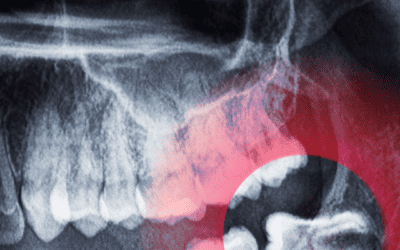
Cracks don’t always hurt, and they don’t always show up on an x-ray. Common signs include:
- A sharp pain when you bite down, or when you release your bite
- Sensitivity to cold that lingers
- Pain that comes and goes, often hard to pin to one tooth
- A rough edge or small chip you can feel with your tongue
If any of these sound familiar, here’s what’s involved in treating a cracked tooth.
Common causes of cracked teeth
1. Grinding and clenching (bruxism)
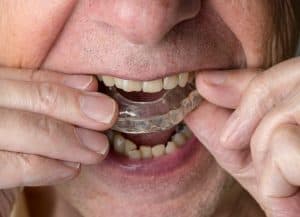
Grinding is one of the most common reasons we see cracked teeth. The forces involved are far greater than normal chewing, and they often happen for hours at night without you knowing. Over time, that repeated pressure creates crack lines that can deepen.
Reduce the risk: if you think you grind your teeth, mention it at your next check-up. A custom night splint takes the load off your teeth. Read more about what tooth grinding does to your teeth.

2. Large fillings
A tooth with a large filling has less natural tooth structure holding it together. The remaining walls of the tooth can flex under biting pressure, and over time that flexing can cause them to crack or break off. Older fillings can also wear down, leaving the tooth more exposed.
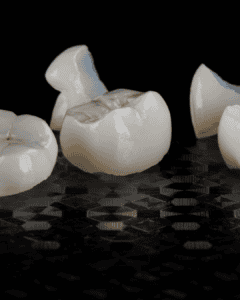
Reduce the risk: if a tooth is heavily filled, we may recommend an onlay or crown to cover and protect the weaker parts before they break. Read how we decide in crown vs onlay.
3. Biting on hard things
Ice, hard lollies, popcorn kernels, nut shells, pens, fingernails: one awkward bite on something hard can be enough to crack a tooth, especially one that’s already weakened.
Reduce the risk: avoid chewing ice and non-food items, and take care with very hard foods.
4. Injury or trauma
Falls, sporting knocks and accidents can crack teeth, sometimes in ways that aren’t obvious straight away.
Reduce the risk: wear a custom mouthguard for contact sports. If you’ve had a knock to the mouth, get your teeth checked even if they feel fine.
5. Untreated decay
Decay weakens a tooth from the inside, often well before you notice anything. By the time a cavity is causing symptoms, it’s usually quite large, and the tooth around it is more likely to break.
Reduce the risk: regular check-ups and x-rays pick up decay early, while it can still be treated with a smaller filling.
6. Age and wear
Over the years, teeth go through a lot of biting, chewing and wear. Enamel gets thinner and teeth become a little less flexible, so cracks become more common as we get older.
Reduce the risk: brush with fluoride toothpaste and a soft toothbrush, and keep acidic foods and drinks to mealtimes to protect your enamel.
7. Extreme temperature changes
Going from very hot to very cold food or drinks makes teeth expand and contract slightly. This probably isn’t a major cause on its own, but it can add stress to teeth that already have crack lines.
Why early checks matter
Many cracks start small and can be managed simply if they’re picked up early, sometimes with a filling or onlay. Left longer, a crack is more likely to spread and need more involved treatment. Regular check-ups give us the chance to spot crack lines and weakened teeth before they cause problems.
Worried about a cracked tooth?
If a tooth is sore when you bite or sensitive to cold, book an appointment with our Brisbane CBD dentists. If you’re in pain now, see our emergency dentist page or call us on (07) 3211 1155.