If you’re considering dental implants, cost is often one of the first questions—and understandably so.
Dental implants are a more involved treatment than options like bridges or dentures, and the total cost can vary depending on your individual situation.
This guide explains what affects the cost of dental implants, what’s typically involved, and how to think about the investment long-term.
Why the cost of dental implants varies
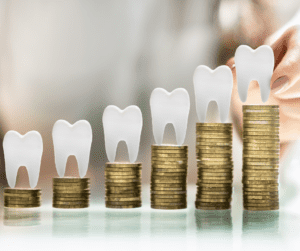
There isn’t a single fixed price for dental implants because no two cases are the same.
The total cost depends on several factors:
Number of implants needed
A single missing tooth is very different from replacing multiple teeth or a full arch.
Bone quality and preparation
If there has been bone loss, additional procedures such as bone grafting may be required.
Type of final restoration
The final tooth replacement may be:
- A single crown
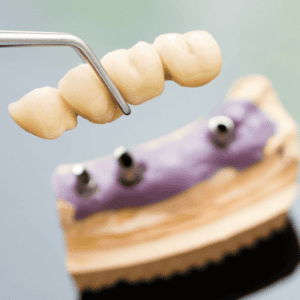
- A bridge
- An implant-supported denture
Each has different costs and complexity.
Case complexity
Your bite, anatomy, and overall oral health all influence the planning and treatment involved.

What is typically included?
When considering cost, it’s important to understand what is included in the overall treatment.
This may involve:
- Initial consultation and assessment
- Imaging (such as X-rays or 3D scans)
- Treatment planning
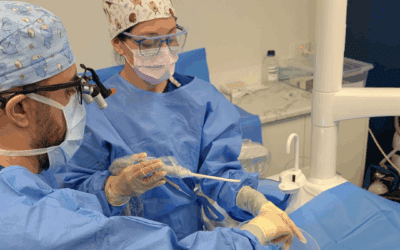
- Implant placement surgery
- Healing phase
- Final crown, bridge, or denture
- Follow-up care
A clear treatment plan will outline all stages and associated costs so you can make an informed decision.

Why implants cost more upfront
Compared to other options, dental implants usually involve a higher initial investment.
This is because they:
- Involve a surgical procedure
- Use high-quality, biocompatible materials
- Require detailed planning and precision
- Are designed as a long-term solution
Long-term value vs short-term cost
While implants may cost more upfront, they often provide long-term value.
Unlike some alternatives:
- They do not rely on neighbouring teeth
- They can help preserve bone and facial structure
- They are designed to last for many years with proper care
In many cases, this reduces the need for ongoing replacement or additional treatment over time.

Are there lower-cost alternatives?
Yes — and in some situations, they may be more appropriate.
Alternatives include:
- Dental bridges
- Dentures
Each option has its own benefits and limitations.
👉 Check out our other blogs:
A realistic perspective
Dental implants are not the right choice for everyone—and cost is only one part of the decision.
The most important thing is understanding:
- Your suitability
- Your treatment options
- The long-term outcomes
What’s the next step?
The next step is a consultation, where we can assess your situation and provide a clear, personalised treatment plan with detailed costs.
If you’re considering dental implants in Brisbane CBD, we can guide you through your options in a straightforward and transparent way.
👉 Find out more:
Disclaimer
All surgical procedures carry risks. We recommend seeking a second opinion from a qualified health practitioner before proceeding with invasive dental treatments.