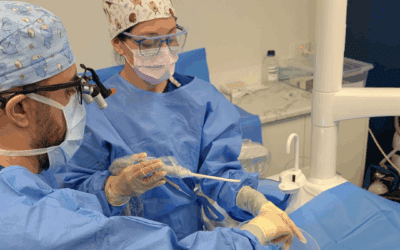
Dental visits can be stressful—whether it’s fear of pain, a strong gag reflex, a past bad experience, or simply feeling overwhelmed in the chair. The good news is that sedation options can help make treatment feel more manageable and comfortable for many patients.
In this guide, we’ll explain the different types of dental sedation, what each one feels like, and the practical things to know before choosing an option.
Many people search for sleep dentistry in Brisbane when they want a calmer experience and minimal memory of treatment. You can learn more about our sedation options and what to expect here.
What is Dental Sedation?
Dental sedation uses medication to help you feel calmer during dental treatment. Depending on the type used, sedation can help reduce anxiety, make time feel like it passes faster, and improve comfort during longer appointments.
Sedation is commonly considered for patients who:
-
feel anxious about dental treatment
-
have a strong gag reflex
-
struggle to sit through longer appointments
-
want a more relaxed experience for more complex procedures
Sedation is not one-size-fits-all, and not every option is suitable for every person. Your medical history, medications, and the type of dental treatment planned all matter.

Types of Dental Sedation
At Dentistry on George, we offer sedation options that can help with mild to moderate anxiety, and we can also discuss options for patients who need a higher level of support.
Nitrous oxide sedation (Laughing Gas)
Nitrous oxide is a light, fast-acting option delivered through a small mask over your nose. It can help take the edge off anxiety and make treatment feel easier.
What it feels like
-
You usually feel calmer and more relaxed
-
You remain awake and able to respond
-
The effects wear off quickly after treatment
Benefits
-
Fast onset and fast recovery for many patients
-
Often a good choice for mild anxiety and shorter procedures
Considerations
-
You need to breathe through your nose, so congestion can reduce effectiveness
-
If you find the mask uncomfortable or you feel claustrophobic, it may not be the best option

Oral Sedation
Oral sedation involves taking a prescribed medication before your appointment to help you feel calmer. You may feel drowsy, and some people remember less of the appointment—but you remain conscious.
What it feels like
-
Drowsy, calm, less “on edge”
-
You are usually still able to respond, but you may feel slower and more relaxed
Benefits
-
No needles and no equipment during the appointment
-
Can help patients who feel too anxious to proceed without extra support
Considerations
-
The effect can vary from person to person
-
The dose can’t be “adjusted” during treatment in the same way as other approaches
-
You’ll need someone to accompany you home, and you should plan to rest afterwards
IV (twilight) sedation
You may have heard of IV sedation (often called “twilight sedation”). This is a form of conscious sedation delivered through a small cannula. It’s typically used when a higher level of relaxation is needed or when treatment is longer or more complex.
Important note: IV sedation is not the same as a general anaesthetic. It is not “being put to sleep” in hospital. It’s a carefully monitored form of conscious sedation.
If you’re considering IV (twilight) sedation, the best place to start is our main sedation page (including what to expect and how to book).

How do you choose the right option?
Sedation choice depends on:
-
the type and length of treatment planned
-
your anxiety level and previous experiences
-
your medical history and medications
-
practical considerations (e.g., escort home, recovery time)
The most helpful next step is a consultation, where your dentist can explain what each option means for your situation and what preparation you’ll need. At Dentistry On George, we start with an examination and consultation with our dentist who will then create your treatment plan. Once we know what treatment is required, our sedationist can help plan your sedation options.
Is sedation safe?
Sedation is generally safe when:
-
you’re assessed properly beforehand
-
your medical history and medications are reviewed
-
the right option is chosen for your needs
-
your appointment is planned appropriately
At your consultation, we will discuss:
- your dental treatment plan
-
your reasons for considering sedation
-
what each option involves
-
the risks and benefits relevant to you
-
what you need to do before and after your appointment

What if conscious sedation isn’t suitable?
Sedation isn’t appropriate for everyone. Some people may not be suitable due to medical factors or the level of anxiety involved.
If conscious sedation isn’t the right fit, your dentist can discuss alternatives. In some cases, a referral for treatment under general anaesthetic (in a hospital setting with an anaesthetist) may be considered.
Next step: talk through your options
If anxiety is stopping you from getting dental treatment done, you don’t have to “push through it.” There are practical options that can help make care feel more manageable.
To learn more about our sedation options and how to get started, visit:
https://www.dentistryongeorge.com.au/sedation/
If you’re a new patient, book a new patient consultation and examination first. Sedation is planned around the type and length of treatment, so once we’ve confirmed your treatment plan, we can arrange a sedation assessment to confirm suitability and options.