Thinking About Dental Implants? What to Know Before You Commit — A Realistic Guide for Patients
Every new year, many people finally take the first step toward fixing a missing tooth or upgrading from dentures. If you’ve been wondering whether dental implants are right for you — especially if you’re planning treatment in 2026 — this guide will help you make an informed, confident decision.
Dental implants can be life-changing. But they’re also a medical procedure with long-term considerations most people don’t hear about until much later in the process. This article breaks down the essential information that our Brisbane CBD dentist thinks you should understand before you commit — including suitability, risks, maintenance, alternatives, and timing.

1. Why Implants Appeal to So Many People
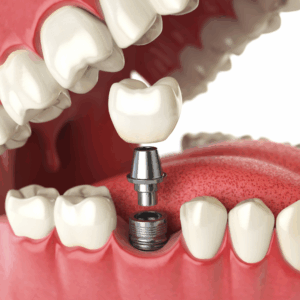
Modern dental implants are designed to look, feel and function very similarly to natural teeth. They can restore your ability to chew comfortably, help maintain jawbone, support facial structure, and improve confidence.
For many patients at our Brisbane CBD dental clinic, the biggest drawcard is stability.
Implants don’t slip like dentures. They don’t rely on other teeth like a bridge. And they offer a long-term solution that matches a busy lifestyle.
But implants aren’t right for everyone — and not all implants are equal. Understanding your individual risks and long-term responsibilities is essential.
2. Who Is (and Isn’t) an Ideal Candidate?
A thorough consultation is crucial. Implant success depends on the health of more than just the missing tooth.
We assess:
Bone volume and density
Healthy, adequate bone is needed to anchor an implant securely.
If bone has diminished over time, grafting or sinus lift procedures may be required.
Gum and soft-tissue health
Active gum disease or inflammation increases the risk of complications.
These must be stabilised before implant placement.
General health
Factors such as diabetes, autoimmune conditions, certain medications, and smoking can affect healing.
Lifestyle
Clenching or grinding, inconsistent dental attendance, or poor oral hygiene can shorten the lifespan of an implant.
If you’re not an ideal candidate straight away, don’t assume the answer is “no.”
Often, it simply means building the right foundation first.

3. The Risks You Should Be Aware Of
Implants have high success rates — but they’re not risk-free.
Potential complications include:
- Failure of the implant to integrate with bone
- Infection around the implant site
- Gum recession exposing metal components
- Sinus or nerve complications (depending on implant location)
- Long-term bone loss if maintenance is inadequate
- Peri-implantitis — an inflammatory disease affecting implants, similar to gum disease
Understanding these risks doesn’t mean implants aren’t a good choice — it simply ensures you’re making a properly informed decision.

4. How Long Do Implants Really Last?
With excellent care, the titanium implant fixture can last decades — potentially a lifetime.
But some components do require periodic updates:
Crowns
Just like natural teeth, crowns wear over time.
Most last 10–15+ years, depending on bite force, grinding habits, and material used.
Gums and bone
Healthy soft tissue and bone support long-term stability.
This requires consistent hygiene and monitoring at routine check-ups.
Bite changes
Clenching, grinding, or shifting bite patterns may require adjustments or a protective nightguard.
Implants are durable, but they are not maintenance-free. They succeed long-term when patients commit to ongoing reviews and home care.

Flossing demonstration
5. Understanding the True Cost of Dental Implants
Dental implants are a long-term investment in your oral health and quality of life.
Your total cost depends on:
- Number of implants
- Whether bone grafting or sinus lift is needed
- The type of final restoration (crown, bridge, or implant-supported denture)
- Complexity of your bite and anatomy
- Any temporary solutions required during healing
While the upfront cost may be higher than dentures or bridges, implants often prove more cost-effective over time, because they avoid repeated replacements and prevent the bone loss associated with missing teeth.

6. Implants Are Not the Only Option — Alternatives to Consider
Depending on your situation, alternative solutions may be more suitable:
Implant-supported dentures
A more secure, stable alternative to traditional dentures, requiring fewer implants.
Fixed implant bridges
Multiple teeth supported by fewer implants — ideal for larger gaps.

Conventional dental bridges
Useful when neighbouring teeth already need crowns. Read more about bridges vs implants here.
Complete dentures
Appropriate for some medical or financial situations. Read more about dentures vs implants here.
A good clinician should present all viable options, not just implants.
7. What to Ask Your Dentist Before You Commit
Use this checklist in your consultation:
- Do I have enough bone for an implant?
- Will I need grafting or a sinus lift?
- What is my personal risk profile?
- How long will the full treatment take?
- What are my alternative options?
- What long-term maintenance will I need?
- How often should I have the implant reviewed?
- What happens if something goes wrong?
- What is the total cost — including the crown, imaging, surgery, and follow-up care?
Clear answers to these questions will help you determine whether implants are the right choice.

8. Why Many Patients Start the Process Early in the Year
January–March is one of the busiest times for dental implant enquiries in Brisbane CBD.
Healing takes time
Implants need several months to integrate before the final crown is fitted.
Starting early helps you finish the process comfortably within the year.
Appointments fill quickly
Planning ahead means more flexibility and less waiting.
New-year motivation actually helps
Patients who enquire early in the year tend to follow through, resulting in better long-term outcomes. If you’ve been thinking about implants for years, this is often the best time to take action.
9. Ready to Understand Your Options?
A consultation gives you clarity about:
- Your bone and gum health
- Whether implants are suitable for you
- Whether grafting is needed
- Your full treatment timeline
- Expected costs
- Alternatives that may fit your goals better
You’re not committing to treatment — you’re simply getting the information you need to make the right decision for yourself.
Book Your Dental Implant Consultation in Brisbane CBD
You can book online anytime.