For many years, research has shown a clear connection between heart health and oral health. Inflammation and bacteria in the mouth can influence the rest of the body — and your heart condition, medical history and medications can also influence your dental care.
At our Brisbane City dental clinic, we work closely with patients who have cardiac conditions to ensure treatment is comfortable, safe and well-planned. Here’s what Brisbane patients should know about the link between the mouth and the heart.
Blood-Thinning Medications and Dental Care
If you take medications that thin your blood, always let your dentist know. These medications are commonly used to reduce the risk of clots in conditions such as atrial fibrillation, narrowed arteries or prosthetic heart valves.
Your dentist will need to understand:
-
the name of your medication
-
your dose
-
the reason you’re taking it
Some supplements (like fish oil, ginkgo biloba and glucosamine) can also slightly affect bleeding.
This information becomes especially important for invasive dental procedures such as extractions, dental implants or gum surgery. Your Brisbane CBD dentist may contact your GP or cardiologist if needed. Never stop your medication without medical advice.

High Blood Pressure
Well-controlled hypertension usually doesn’t prevent dental treatment, but dental phobia, stress and severe dental pain can temporarily raise blood pressure.
Your dentist may recommend:
-
early management of dental symptoms
-
regular preventive care
-
strategies to reduce anxiety at appointments
Some blood pressure medications can also influence oral health by causing:
-
dry mouth
-
taste changes
-
gum overgrowth (especially with certain calcium channel blockers such as amlodipine, felodipine, lercanidipine and nifedipine)
Dry mouth increases your risk of tooth decay and gum disease, so it’s important to discuss symptoms with your dentist. As your Brisbane City dentist, we can recommend products and routines to help.

After a Heart Attack or Heart Surgery
If you’ve had a recent heart attack, stent placement or bypass surgery, non-urgent dental treatment is usually delayed for around three months. Emergency care — such as pain, swelling or infection — should be addressed promptly, as dental pain can increase blood pressure and overall stress.
Angina
If you experience angina, always bring your medication (spray or tablets) to your dental visit. Patients with stable angina can generally undergo routine treatment safely. If your angina has recently become unstable, we may speak with your GP or cardiologist before proceeding.

Infective Endocarditis
Infective endocarditis is an infection of the inner lining of the heart or heart valves. Bacteria from the mouth can enter the bloodstream during eating, brushing, flossing and some dental procedures, particularly when gums are inflamed.
Your cardiologist may recommend antibiotic prophylaxis before certain dental treatments if you are at higher risk, including patients with:
-
prosthetic heart valves
-
a history of infective endocarditis
-
specific congenital heart conditions
Because low-level bacteraemia occurs daily, the best protection is excellent oral hygiene and keeping gums healthy. People with cardiac conditions involving the endocardium may benefit from seeing their dentist at least twice a year.
Heart Failure
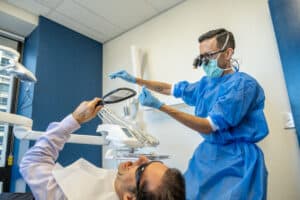
If you have heart failure, tell your dentist. You may need to be positioned more upright in the dental chair to stay comfortable and reduce shortness of breath. Your dentist can adjust the chair and appointment pace to suit your needs.
Heart Arrhythmias
Let your dentist know if you have a heart rhythm condition such as atrial fibrillation.
Bring an updated list of medications to each appointment, as these can influence:
-
the choice of anaesthetic
-
whether sedation is appropriate
-
appointment length
-
chair positioning
Clear communication helps us plan safe, comfortable treatment.

Protecting Both Your Mouth and Heart
Good oral health supports overall health — and the health of your heart.
Here are simple ways to stay safe:
-
Visit your dentist regularly for preventive care.
-
Update your dentist on any changes in medications or medical conditions.
-
Provide contact details for your GP and cardiologist so your dental team can coordinate care when needed.
-
Let your dentist know if you feel anxious — we can help with strategies to keep you comfortable during treatment.
Keeping your teeth and gums healthy is an important part of looking after your heart — and our Brisbane CBD dental team is here to support you at every step.
Need support managing your oral health with a heart condition?
Our Brisbane City dentists can help you plan safe, comfortable care tailored to your medical history.
Book an appointment or contact our team today.