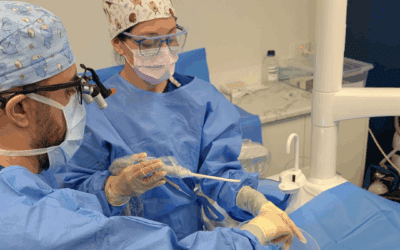
IV Dental Sedation (“Twilight”): What to Expect
Dental anxiety is common — and it can be the main reason people delay treatment until they’re in pain. The good news is that modern sedation options can make dental appointments far more manageable for the right patient.
At Dentistry on George (Brisbane CBD), we offer intravenous (IV) sedation for suitable patients and procedures. This form of sedation is often called “twilight sedation”. Some people also refer to it as “sleep dentistry”, but it’s important to understand that IV sedation is not the same as a general anaesthetic. With IV sedation you remain able to respond and breathe on your own, while we monitor you closely.

What is IV sedation?
IV dental sedation is a type of conscious procedural sedation delivered through a small cannula (IV line) in your arm or hand. Because the medication is given into the bloodstream, we can titrate (adjust) the sedation level in real time, rather than relying on a single tablet dose
Most patients feel:
-
very relaxed and drowsy
- dental anxiety reducing
-
less aware of time passing
-
and may remember little or none of the procedure afterwards (this varies)

How IV sedation works (step-by-step)
-
Pre-sedation assessment
We review your medical history, medications, allergies, previous sedation/anaesthetic experiences, and the planned dental treatment. This is essential to confirm whether IV sedation is appropriate and safe. -
On the day: preparation + checks
You’ll receive instructions beforehand (for example, fasting requirements and what medications to take). We’ll also confirm you have an escort home. -
IV placement + sedation begins
A small IV line is placed in your arm/hand. Medication is given slowly and adjusted to your needs. If needles are a big trigger for you, we can discuss ways to make IV placement easier including using inhalation sedation (happy gas). -
Monitoring throughout
During sedation you’re continuously monitored (e.g., oxygen levels, heart rate, blood pressure). This is part of safe procedural sedation practice. -
Recovery + discharge
After treatment, you’ll rest in our recovery area until you meet discharge criteria. You’ll go home with your escort and written aftercare instructions.

Who IV sedation can help
IV sedation may be helpful if you:
-
feel anxious about dental treatment
-
have a strong gag reflex
-
need longer or more involved procedures such as dental implants
-
want to be less aware of the sights/sounds and time involved
It’s also useful for patients who aren’t “phobic” but simply don’t want to be highly aware during complex treatment.

Who IV sedation may not suit
IV sedation isn’t right for everyone. Depending on your health history and the procedure, we may recommend:
-
treatment without IV sedation
-
nitrous oxide (“happy gas”)
-
or hospital-based general anaesthetic for severe phobia, certain medical risks, or very complex/lengthy procedures (where deeper levels of sedation may be required).
Benefits of IV Sedation
-
Fast onset and adjustable depth during the appointment
-
Reduced anxiety and discomfort for many patients
-
Less memory of the procedure for some patients
-
Easier tolerance of longer appointments (when clinically appropriate)

Risks and side effects (what you should know)
Like any sedation, IV sedation carries risks. Most side effects are short-lived, but we want patients to be informed.
Possible side effects include:
-
drowsiness and grogginess for the rest of the day
-
nausea
-
bruising at the IV site
-
temporary lowered blood pressure or breathing changes (rare but important — which is why monitoring and trained staff matter)
What you need to plan for (important)
-
You must have an adult escort to take you home
-
No driving, work, important decisions, or alcohol for 24 hours
-
Plan to take the rest of the day off (and ideally keep your evening quiet)

Frequently asked questions
“Will I be asleep?”
You’ll likely feel very drowsy, but IV sedation is not general anaesthetic. You remain able to respond and breathe independently, and we keep you under close monitoring
“Will I remember anything?”
Many people remember little, but some remember parts. Memory varies person to person and depends on the medications and dose.
“Can I use IV sedation for implants / extractions / longer treatment?”
Often yes, if you’re medically suitable and the procedure is appropriate. We’ll advise at your consultation.
“What if I have severe dental phobia?”
If you need to be completely unconscious, that’s usually a hospital-based general anaesthetic conversation rather than IV sedation.
Next Steps
If dental anxiety, gag reflex, or the thought of a longer procedure has been stopping you from booking, IV sedation may be an option. The first step is a consultation so we can assess suitability and talk you through what’s involved. You can call our team or book online here.