Dental Extras Cover, Rebates & “Preferred Providers”: What You Need to Know
We’ve been hearing more frustration lately about health fund rebates not going as far as they used to. If you’ve ever walked out thinking “I pay plenty in premiums—why is my rebate so small?”, you’re not alone.
This is a practical guide to:
-
how extras cover actually works for dental
-
what “preferred provider” really means
-
how to tell if your policy still stacks up
(Quick note: this is general information, not financial advice.)

What is “extras” cover?
Private health insurance is usually split into hospital cover and general treatment cover (often called “extras”). Extras may include things like dental, physio, optical, and more (Private Health Australia).
For dental, your rebate is set by your insurer, based on your level of cover and the item claimed. Your dentist doesn’t control your rebate.
Most extras policies have limits like:
-
annual limits (a cap per year)
-
per-service limits (a cap per item or per visit)
-
waiting periods
-
separate buckets for general vs major dental (varies by fund/policy)
If your rebates feel worse than they used to, it’s often because limits haven’t risen much, or the policy changed, not because the dental fees suddenly exploded (adavb.org).

Why your rebate can drop (even if you haven’t changed dentists)
A few common reasons:
-
you hit your annual limit earlier than you realised
-
your policy has tight per-item caps
-
the insurer pays benefits for some items but not others
-
your policy includes waiting periods or restrictions on frequency (adavb.org)
-
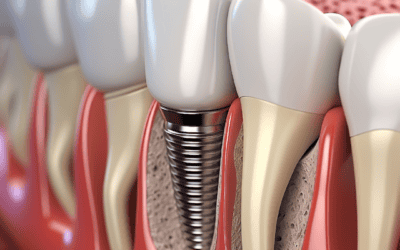
you’ve moved into treatment types that sit under major dental (often lower rebates / stricter limits) such as dental implants or crowns and bridges.
What does “preferred provider dentist” actually mean?
“Preferred provider” (sometimes called “member’s choice”) is basically a commercial arrangement between a health fund and a dental practice.
In general, it means:
-
the fund promotes that practice to members
-
the practice agrees to conditions set by the fund (often including fee schedules or “no/low gap” arrangements)
-
members may receive higher rebates (or “no gap”) when they attend that network, depending on the fund and policy
Importantly: “preferred” doesn’t mean better trained or higher quality. It usually just means “contracted.” (adavb.org+1)

Why Dentistry on George isn’t a preferred provider
We’re not a preferred provider for any fund because we don’t want an insurer influencing:
-
what we recommend
-
how long we spend with you
-
what materials/approaches we use
-
the fees we need to charge to deliver care properly
We’d rather keep it simple:
-
we recommend what’s appropriate for you
-
you claim whatever your policy pays
-
you choose whether your cover still suits your needs
(Plenty of good dentists are in networks. Plenty of good dentists aren’t. We’re just explaining our approach.)

How to tell if your extras cover is worth it (a quick checklist)
When you’re comparing policies, look past the headline premium and check:
-
Annual dental limit (and whether it’s split into general/major)
-
Rebate level per item (not just “percentage back” marketing)
-
Waiting periods (especially if you’re switching)
-
Restrictions on frequency (e.g., how often they’ll pay for certain items)
-
Whether the value you actually claim each year is more than what you pay in premiums (for the extras portion)
A lot of people do better with a “self-fund” approach: set aside a dental budget monthly and use it when needed. That’s not right for everyone, but it can be a useful comparison.
Where to compare policies properly
The most reliable starting point is the Australian Government’s private health insurance comparison site, which contains the policy details insurers are required to provide.
Bottom line
If you’re unhappy with rebates, don’t assume the solution is “find a preferred provider.” The real question is whether your policy benefits match your real dental needs.
If you want help understanding how your cover applies to a proposed treatment plan, bring your policy details and we can explain what’s claimable—but your insurer will always have the final say on rebates.
By researching your dental needs and the different policies available. you may find a better policy that suits your needs.